
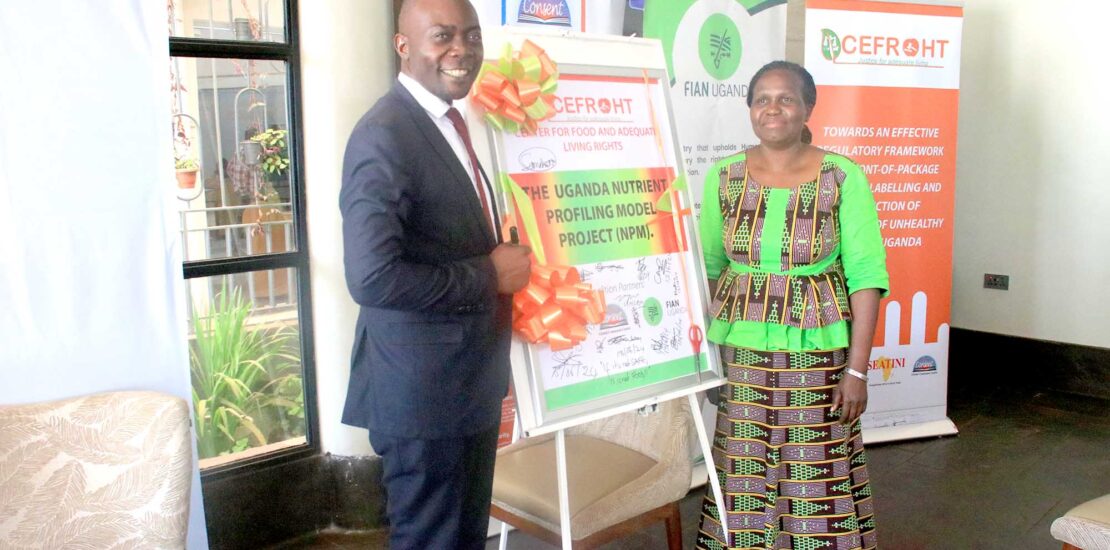
Environmental Justice Campaign
The Environmental Justice Campaign is grounded in the principle that access to a clean, healthy, and sustainable environment is fundamental to achieving the right to adequate food and nutrition. Environmental well-being is not a privilege but a precondition for healthy diets and public health. Yet, in practice, environmental benefits and burdens are unequally distributed: wealthier communities enjoy clean air, green spaces, and secure food systems, while marginalized populations bear the brunt of pollution, land degradation, contaminated water, and climate-related shocks that directly impact food security and nutrition.
This campaign addresses these structural injustices by centering equity, health, and human rights in environmental and food systems governance. It amplifies the voices of those most affected by environmental degradation and food insecurity: smallholder farmers displaced by extractive industries or monoculture plantations; Indigenous communities severed from ancestral lands that once sustained diverse diets; informal urban settlements reliant on contaminated water and ultra-processed foods; and women and youth facing systemic barriers to accessing safe, nutritious food and natural resources.
At its core, the Environmental Justice Campaign demands systemic reform to ensure policies protect ecosystems while promoting healthy diets. It holds powerful actors—whether corporate, state, or elite—accountable for environmental harm that undermines nutrition and human rights.
The campaign advocates for strong, inclusive regulatory frameworks integrating environmental protection with nutrition-sensitive food systems. This includes laws guaranteeing equitable access to land, clean water, forests, and seeds—essential for diversified, agroecological diets—while eliminating harmful practices like land grabbing, toxic agrochemical use, and the commercialization of vital ecological resources.
Community-led solutions, such as agroecology, nature-based approaches, and customary land tenure systems, are promoted as pathways to environmental restoration and nutrition justice. These approaches safeguard ecosystems while empowering communities—especially women, youth, and Indigenous groups—to grow and access healthy foods sustainably.
Ultimately, the campaign seeks to transform environmental governance into a driver of nutrition equity, ensuring no one is left behind in the pursuit of a just and nourishing future.
The Problem
Environmental injustices are widespread and deeply entrenched across Uganda and East Africa, posing a serious barrier to healthy diets and nutrition security. From oil exploration in the ecologically sensitive Albertine Graben to monoculture plantations displacing forests and food crops, to pollution in Lake Victoria and urban wetlands, these harms directly undermine access to safe, nutritious, and culturally appropriate food.
Affected communities face land dispossession without consultation or fair compensation, severing their ability to grow diverse, healthy foods. Water sources—vital for drinking and food production—are contaminated by industrial waste, agrochemicals, and oil spills. Pesticide use near homes, schools, and water bodies endangers health, destroys pollinators, and disrupts soil fertility, eroding the ecological balance necessary for sustainable food systems.
Marginalized groups lack financial resources, public information, and legal protections to challenge these injustices, while corporations and polluters operate with impunity due to weak oversight, corruption, and policy gaps. The result is a cascade of human rights violations: increased disease from toxins, food insecurity from degraded lands, displacement from ancestral food sources, and restricted access to clean water and air.
Women and girls, who shoulder food preparation and resource-gathering burdens, are disproportionately affected. Environmental destruction deepens gender inequalities, undermining their health, agency, and economic resilience.
Without robust regulatory frameworks integrating environmental protection and food systems governance—and without enforcement mechanisms—communities will continue to suffer preventable malnutrition, ill health, and inequity. Addressing environmental degradation is not just an ecological imperative but a public health and human rights necessity to ensure all people, especially the most vulnerable, can enjoy their right to healthy, sustainably produced food.
The East Africa Crude Oil Pipeline (EACOP)
The East African Crude Oil Pipeline has displaced—and continues to threaten—thousands of people from ancestral lands critical for farming, food production, and clean water access. EACOP risks soil and water contamination through oil spills, construction degradation, and habitat fragmentation, undermining agroecological systems communities rely on for nutrient-dense, culturally appropriate foods.
The campaign holds governments and oil corporations accountable for environmental, human rights, and food system disruptions. It demands:
- Free, prior, and informed consent for affected communities.
- Rigorous environmental and social impact assessments.
- Just compensation for lost livelihoods.
- Regulatory frameworks prioritizing food security and sustainable agriculture over extractive industries.
Impact
This campaign restores dignity, health, and food sovereignty to marginalized communities. Through legal empowerment, public education, and policy advocacy, it establishes precedents protecting natural resources—land, water, forests—as foundations of healthy food systems.
It promotes inclusive governance, ensuring smallholder farmers, women, and youth can access safe, diverse, and sustainably produced foods. Ultimately, the campaign is about more than stopping a pipeline—it’s about safeguarding ecological food systems, holding power accountable, and building resilient communities through just, transparent, and enforceable regulations.
Fighting for food justice and land rights?
Join CEFROHT in empowering communities through advocacy and sustainable agriculture.
I had lost all hope after people tried to take my land in Kiboga. But CEFROHT helped me for free and took my case to court. Because of them, I got my land back. I can now farm and take care of my children. I thank CEFROHT so much for standing with me.

-
One Voice, One Label: Uganda Launches a Food Policy Coalition to Tell the Truth About Our Food
Why lawyers, farmers’ advocates, consumer groups, students, and journalists have joined forces to put clear warning labels on unhealthy food, and why CEFROHT is in the thick of it. Line up ten packaged snacks on a table. Biscuits, crisps, noodles, a juice or two. How many of them would you guess are too salty to
October 7, 2026 -
Uganda’s Policymakers Commit to Warning Labels on Unhealthy Food
How a single day of dialogue with 70 policymakers and partners moved Uganda closer to clear warnings on foods high in salt, sugar, and fat, and why we will not let the momentum slip. Pick up a packet of biscuits, a soda or a bag of crisps in any Kampala supermarket and turn it over.
October 6, 2026 -

Bringing the Law to the Feast: CEFROHT’s Fight for the Right to Food at Terra Madre 2026
What a Ugandan team of lawyers and food rights advocates carried into the world’s biggest gathering of the Slow Food movement, and what we carried home. “So what exactly does a legal organization do at a food festival?” We heard some version of that question more than once in Turin. It was a fair one.
October 3, 2026 -
“He Who Controls Seed, Controls You”: Why We Are Asking EALA to Rewrite the EAC Seed Bill
Why CEFROHT told East African lawmakers to rewrite the proposed EAC Seed Bill, or let it go. Ask a farmer in Koboko where her groundnut seed came from and you may get a long answer. From her mother. From a neighbor who swapped it for beans. From a variety the village has been quietly improving,
October 3, 2026