
FAO Country Programming Framework (CPF) 2026–2030: Advancing a Human Rights- Based Approach to Food Systems Transformation
- May 2, 2026
- Posted by: Cefroht Manager
- Category: Advocacy
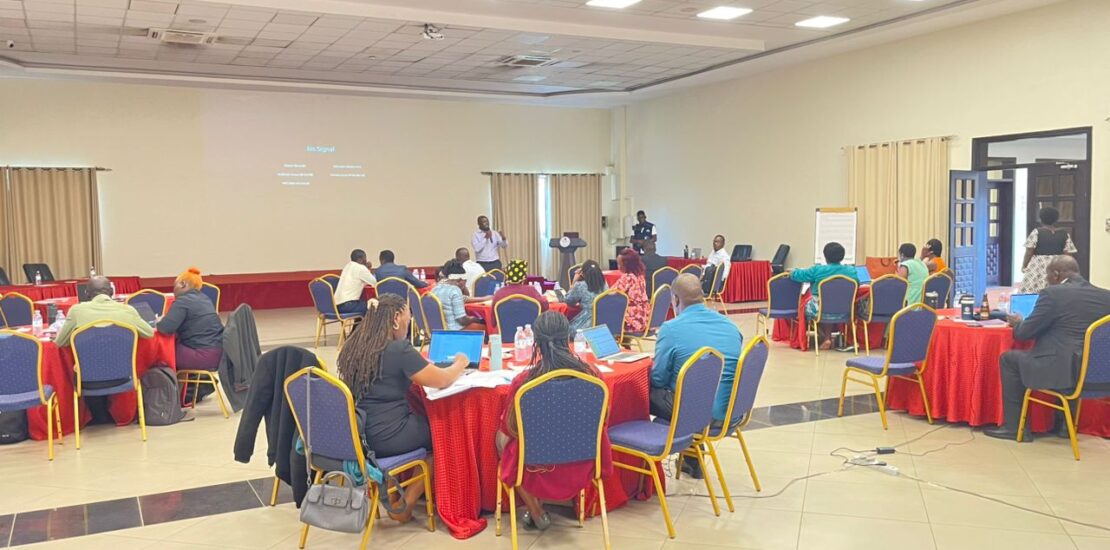
CEFROHT presented on the right to adequate and the Human Rights-based approach in food systems transformation at the external multi-stakeholder consultation convened by the Food and Agriculture Organization of the United Nations (FAO) in collaboration with the Government of Uganda and development partners. The presentation supported the review of the draft Country Programming Framework (CPF) 2026–2030. The CPF is FAO’s primary strategic instrument guiding its support to Uganda over the next five years, aligned with national priorities and the United Nations Sustainable Development Cooperation Framework (UNSDCF) 2026–2030.
The consultation brought together a wide range of stakeholders, including government institutions, Parliament, civil society organizations, development partners, academia, the private sector, and UN agencies. Discussions were anchored in the need to ensure that the CPF responds effectively to Uganda’s pressing food security and nutrition challenges, including high levels of food insecurity, persistent child stunting, micronutrient deficiencies, and systemic vulnerabilities within agrifood systems.
Uganda’s agrifood systems remain central to livelihoods and economic transformation, yet continue to face structural constraints such as climate variability, environmental degradation, low productivity, post-harvest losses, and coordination gaps across sectors.
CEFROHT’s contribution focused on advancing a Human Rights-Based Approach (HRBA) to transforming food systems. In our engagement, we emphasized that the right to adequate food should serve as a guiding principle in the CPF’s design and implementation. This includes strengthening accountability mechanisms, ensuring meaningful participation of rights holders, and prioritizing equity in access to food, resources, and services. CEFROHT also highlighted the need for policy coherence and stronger alignment between the CPF and national frameworks, such as the Fourth National Development Plan (NDP IV), the Uganda Nutrition Action Plan (UNAP), the Nationally Determined Contributions (NDCs), and other sectoral strategies.
The consultation workshop provided an opportunity to assess the strategic direction of the CPF. Across areas, stakeholders underscored the importance of integrating evidence-based approaches and ensuring that interventions are responsive to vulnerable and marginalized populations, including women, youth, refugees, persons with disabilities, and communities in underserved regions.
A central outcome of the engagement was the validation of the CPF as a strategic instrument that will not only guide FAO’s programming but also strengthen coordination, investment alignment, and collective action among stakeholders working within Uganda’s food systems.
CEFROHT’s is committed to contributing to national and global policy processes that promote equitable, accountable, and sustainable food systems. The consultation also provided a platform to strengthen engagement with key actors and support the integration of rights-based, inclusive, and nutrition-sensitive perspectives into Uganda’s evolving food systems agenda.