
Engaging Parliament on the Right to Food
- August 13, 2026
- Posted by: Benjamin Wamala
- Category: Advocacy
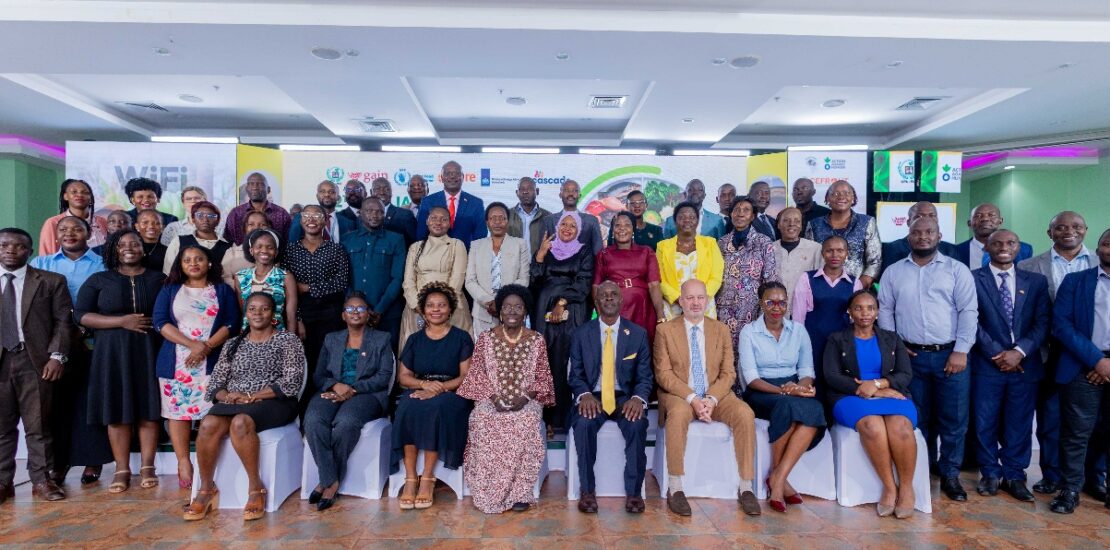
As Uganda’s 12th Parliament begins its five-year term, CEFROHT is working alongside the Uganda Parliamentary Alliance on Food and Nutrition Security (UPA-FNS) to ensure food and nutrition remain firmly on the legislative agenda. On 11th and 12th August 2026, CEFROHT participated in a two-day orientation for 200 Members of Parliament at Imperial Royale Hotel in Kampala, using the engagement to make a clear case for stronger legal and policy action on the right to adequate food, nutrition and health.
The orientation, coordinated by UPA-FNS with CEFROHT, WFP, CARE International, the Netherlands Embassy, GAIN, and PELUM Uganda, introduced the new Parliament to the country’s most pressing food and nutrition challenges. The First Deputy Prime Minister called on Members to fast-track the Food and Nutrition Bill and follow up on legislation already before the Executive, reinforcing the need for the new Parliament to take forward unfinished business from previous legislative periods.
CEFROHT’s contribution focused on the legal frameworks for the right to adequate food and nutrition. The session examined Uganda’s constitutional and international obligations to protect the right to adequate food and the right to health and considered how Parliament can use legislation and oversight to address the factors undermining these rights.
The urgency is reflected in Uganda’s health statistics. Non-communicable diseases account for about 33 percent of deaths in Uganda, while the country is simultaneously dealing with food insecurity, inadequate diets and rising overweight and obesity. This double burden means food policy can no longer focus only on quantity; it must also address whether people can access food that is safe, nutritious, and conducive to good health.
CEFROHT used the session to draw the attention of Members to Uganda’s newly adopted Nutrient Profile Model (NPM) and the policy reforms that can be informed by it. The NPM provides an evidence-based method for identifying foods and beverages that contain excessive levels of nutrients of concern, including sugar, salt and unhealthy fats. CEFROHT called on Members of Parliament to support the translation of this evidence into effective regulation, particularly mandatory Front-of-Pack Warning Labelling (FOPWL) and stronger measures to protect children from the marketing of unhealthy foods.
Other partners strengthened the case with compelling evidence. WFP highlighted that approximately 30% of primary school learners nationally lack access to school meals, rising to 63% in UPE schools. Other partners highlighted the continuing food insecurity challenges affecting vulnerable communities, including in Karamoja.
For CEFROHT, these realities demonstrate why Uganda needs a comprehensive approach to food and nutrition. A child who goes to school without a meal needs government action to improve access to nutritious food, while the same child also needs protection from an increasingly unhealthy food environment. Addressing hunger, inadequate diets, overweight and diet-related NCDs therefore requires action across education, health, agriculture, consumer protection, trade and law.
CEFROHT’s engagement with the 12th Parliament forms part of a broader strategy to work with lawmakers throughout the policy cycle. CEFROHT will continue working alongside UPA-FNS and other partners to strengthen Members’ understanding of food and nutrition legislation, provide evidence for parliamentary debate and advocate for laws and policies that advance the right to adequate food and the right to health.
The orientation was an important starting point, but CEFROHT’s engagement with the new Parliament will not end there. CEFROHT will continue building relationships with Members and parliamentary committees, supporting evidence-based debate and following up on the legal reforms needed for healthier, more equitable food environments