
A Title Deed She Never Signed: Inside Our Court Fight for a Widow’s Land
- October 3, 2026
- Posted by: Cefroht Manager
- Category: Social Justice
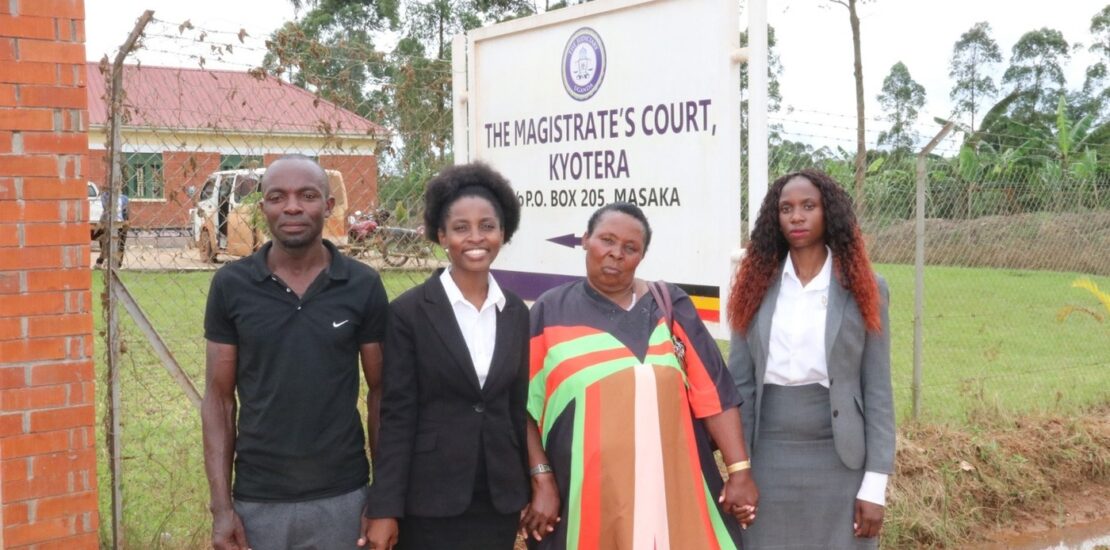
In Kyotera, a widow lost her land to a fraudster’s paperwork. We took her case to court, and this quarter it moved closer to judgment.
She did not sell her land. She did not sign anything. One day it simply stopped being hers.
This is the story of a widow in Kyotera District. While she went on farming the land that fed her and her dependents, a fraudster quietly processed a certificate of title in their own name. Then they sold the land to a third party. By the time she understood what had happened, she was being forced off the only source of food and income her family had.
No consent. No knowledge. No warning.
How does a title deed appear for land its owner never sold? That question should trouble everyone who believes in the rule of law.
Where the case stands
Through our Legal Aid Clinic and Strategic Litigation Programme, CEFROHT took up her case. We completed the preliminary proceedings and filed the pleadings. This quarter, the hearing closed, and our team, together with the court, visited the land itself at a locus visit, so the court could see the ground she has been fighting for. We are now filing our response to the plaintiff’s submissions, and judgment is expected before the end of the year.
For a widow who has spent months waiting, “before the end of the year” is a phrase full of hope.
Land is not just property. It is food on the table, a roof, an identity, and a future for the children.
We wish we could tell you this case was unusual. It is not. Across Uganda, widows and rural women are disproportionately targeted by fraudulent land deals and violent evictions. Powerful individuals, companies and speculators exploit weaknesses in land administration and the long, slow road through the courts, betting that the poor will give up before justice arrives.
When they win, families go hungry, children leave school, and women lose the economic independence they fought so hard for. That is why, for CEFROHT, a land case is never just a land case. It is a right to food case.
And the work keeps growing. This quarter, our legal officers filed a fresh pro bono land justice case at the High Court in Mubende, on behalf of another family that could not afford to fight alone.
What needs to change
Court victories matter, but one case at a time is not enough. We are calling on government institutions, civil society and development partners to close the loopholes in land administration that make fraudulent titles possible, to speed up justice for the poor, and to invest in community legal empowerment so women know their rights before someone tries to take them.
Every widow deserves a lawyer in her corner. Help us be there. Support our legal aid and land justice work, or partner with us at info@cefroht.org.