
Why the EAC Seed Bill Matters for Farmers’ Rights, Biodiversity, and Our Food Future
- February 13, 2026
- Posted by: cefrohtadmin
- Category: News Updates
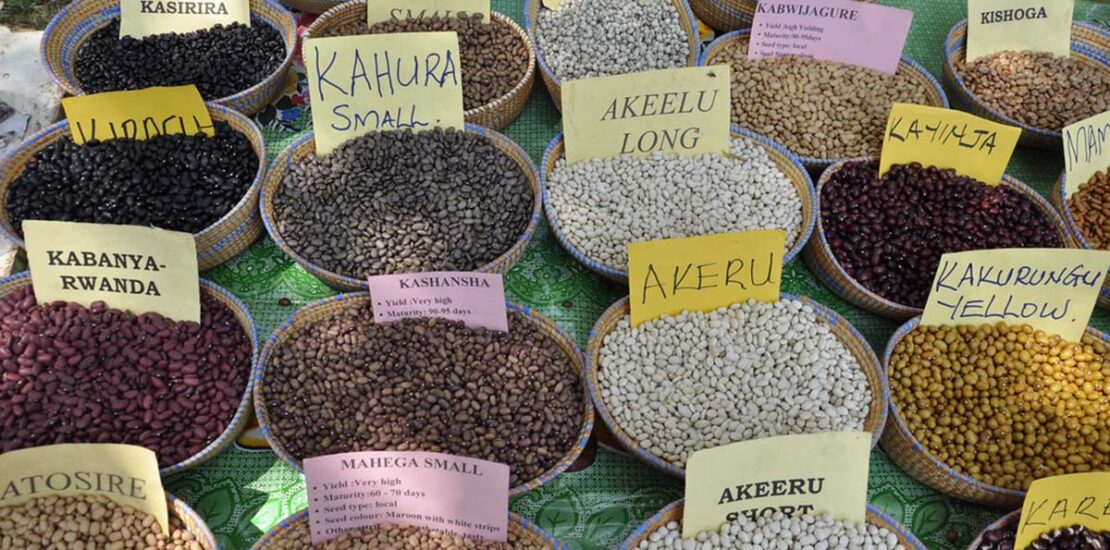
Across East Africa, seeds are more than planting material; they are culture, survival, resilience, and the foundation of our food systems. For generations, smallholder farmers have selected, saved, exchanged, and bred seeds traditionally, safeguarding agricultural biodiversity and feeding our communities.
Today, this legacy stands at a critical moment.
The East African Legislative Assembly (EALA) is developing the East African Community (EAC) Seed and Plant Varieties Bill, 2025 a regional law that will shape how seeds are regulated, accessed, and controlled across partner states. While harmonisation of seed laws can support trade and quality assurance, it must not come at the cost of farmers’ rights, indigenous seed systems, and biodiversity.
Several provisions in the draft Bill risk tightening control over seeds in ways that may disadvantage smallholder farmers the very people who produce most of the region’s food. Requirements that favour commercial seed systems, potential restrictions on seed saving and exchange, and weak recognition of farmers’ knowledge and practices raise serious concerns for food sovereignty, agroecology, and rural livelihoods.
At CEFROHT, we view seed governance as more than a technical matter it is a right to food, justice, and sustainability issue. Laws that govern seeds must protect the custodians of biodiversity, not sideline them.
Together with other partners, we have developed a Civil Society Organization (CSO) Position Paper outlining critical amendments needed to ensure the EAC Seed Bill:
Protects farmers’ rights to save, use, exchange, and sell farm-saved seeds
Recognises and supports indigenous and farmer-managed seed systems
Promotes agroecology practices and biodiversity conservation
Ensures meaningful participation of farmers and civil society in seed policy processes
We invite policymakers, farmers’ organisations, civil society actors, researchers, and all food justice advocates to read and endorse this CSO position paper. Your voice is critical in shaping a regional seed law that works for people, biodiversity, and future generations not just commercial interests.