
Ministry of Health Launches Uganda’s National Physical Activity Guidelines
- February 13, 2026
- Posted by: cefrohtadmin
- Category: News Updates
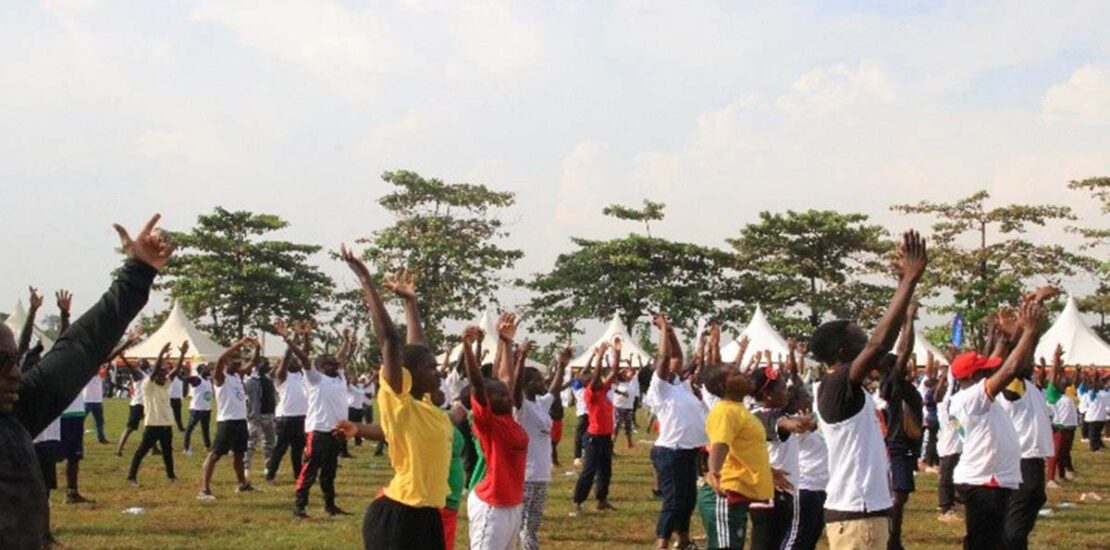
The Ministry of Health (NCD Department), working together with the Center for Food and Adequate Living Rights (CEFROHT), with support from the International Development Law Organization (IDLO), has finalized Uganda’s National Physical Activity Guidelines to promote healthy living and respond to the growing burden of diet related Non-Communicable Diseases (NCDs) such as overweight and obesity, heart diseases, cancer, and high blood pressure. These guidelines give evidence-based advice on the types and amounts of physical activity people need at every stage of life to improve their health and strengthen Uganda’s human capital development.
Uganda is facing a rising burden of diet-related NCDs. Findings from the Uganda STEPS Survey 2023 show that 33.2% of adults are overweight or obese, 23.5% have high blood pressure, of whom 93.5% are not on medication, and 3.3% have type 2 diabetes, an increase from 1.4% in 2014. In addition, 9.8% of adults have three or more risk factors for heart disease. NCDs cause 34% of all deaths in Uganda, and the risk of dying early (before age 70) from NCDs remains between 20% and 22%. This is attributed to sedentary lifestyles such as unhealthy diets, alcohol and smoking, and physical inactivity.
Because NCDs affect people’s health, families, communities, and the country’s development, there is a strong need for clear guidance on the right type and amount of physical activity. These guidelines were created to give simple, practical recommendations that help prevent and manage NCDs and encourage healthy habits for life across all age groups. They are meant for health workers, fitness and wellness professionals, schools and universities, workplaces, policymakers, urban planners, community leaders, families, and individuals.
The overall goal of the Uganda National Physical Activity Guidelines is to guide people on how much and what types of physical activity are needed for healthy living, with a focus on preventing and controlling NCDs. Through encouraging active lifestyles and supportive environments, Uganda is taking an important step toward improving people’s health, reducing NCDs, and supporting sustainable social and economic development.