
The campaign against iTFAs and PHOs just got a powerful new allies: the Uganda’s media and Uganda Heart Institute
- May 2, 2026
- Posted by: Cefroht Manager
- Category: Social Justice
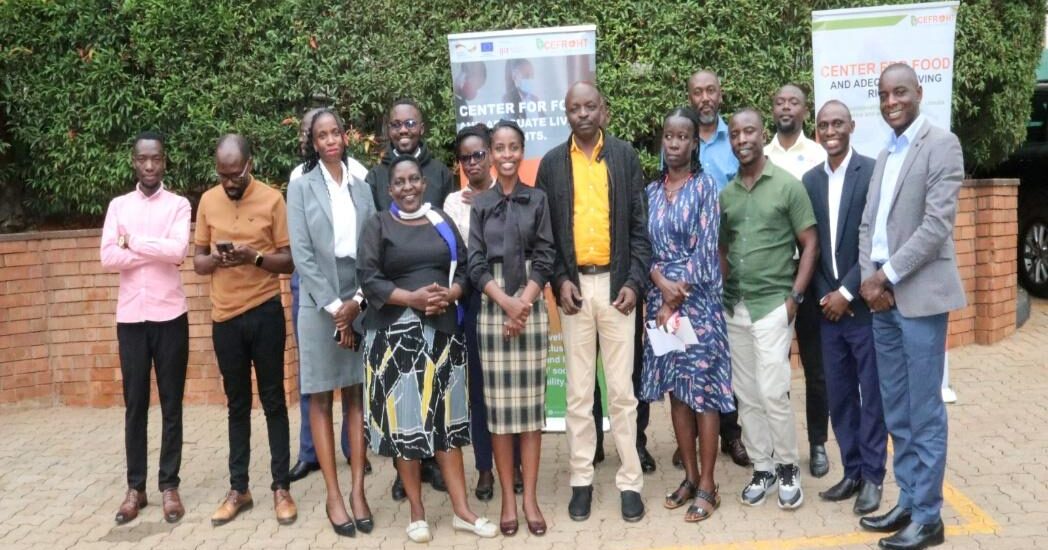
What’s really spread on your morning bread? For years, the answer has been whispered in medical journals and buried in policy drafts. But now, a squad of Uganda’s sharpest storytellers is dragging the truth into the open, and they came ready to learn exactly how to do it.
CEFROHT recently threw open its doors, or rather, the doors of science, law, and advocacy, to welcome a room full of the country’s most influential media minds. Editors, reporters, and broadcasters gathered not for a routine briefing, but for a hands‑on, minds‑on training built to crack open one of Uganda’s most urgent yet under‑discussed public health threats: industrially produced trans fats (iTFAs).
Why this? Why now? Let’s get the global picture straight. In 2018, the World Health Organization (WHO) launched its REPLACE initiative, calling on every nation to eliminate industrial trans fats from their food supplies by 2023. It was a bold, science‑backed global target. That call ignited advocacy campaigns in which some even adopted the “REPLACE” name, but here is the uncomfortable truth: Uganda has not yet enacted a national regulatory ban. No law, no mandatory limits, no legal backstop. And as long as that gap remains, harmful fats continue to quietly sit in everyday cooking oils, margarine, and obviously packaged snacks, while the right to safe food hangs in the balance.
This is precisely why CEFROHT invested in training media practitioners. It was a deliberate move to ensure that Uganda’s press reports on iTFAs not with sensationalism or confusion, but with accuracy, clarity, and purpose, the kind of reporting that supports robust legal advocacy and fast‑tracks the national regulation that is long overdue.
The training came alive at the intersection of three powerhouse voices. The Uganda Heart Institute laid the stark reality on the table, the staggering health and economic burden of cardiovascular diseases, in numbers that made the room pause. Nutrition researchers and academics then connected the dots, presenting scientific evidence that directly links overconsumption of iTFA‑laden products to the very heart conditions filling hospital wards. And then CEFROHT’s legal team stepped up to frame the fight in rights language: every Ugandan is constitutionally entitled to adequate living, and that includes access to safe, healthy food. When harmful industrial fats remain unregulated, it is not just a health failure—it is a legal one. The WHO’s 2023 target was a global alarm bell, not a binding deadline that Uganda signed into domestic law. The real work of turning that call into enforceable policy is what CEFROHT’s advocacy is all about, and it requires an informed media to amplify the demand.
The result? Journalists who walked into that workshop armed with renewed mission have since filled radio bulletins, TV talk shows, print columns, and online platforms with stories that finally connect what’s in the pan to what’s happening in our hospitals, families, and courts of law. They are naming sources, unpacking the health toll, and asking the one question CEFROHT wants echoing through every policymaker’s corridor: Why is a known killer still unregulated in Uganda’s food supply?
This is what happens when science, law, and media lock arms. The campaign isn’t just about a distant global slogan, it’s a homegrown push for a domestic regulation that protects every Ugandan’s right to safe food. And thanks to this training, the voices demanding that regulation now have the facts on their side, the law at their back, and the audience to make change impossible to ignore.