
Uganda Just Made History: the world’s best Nutrient Profile Model was signed
- May 2, 2026
- Posted by: Cefroht Manager
- Category: Agroecology
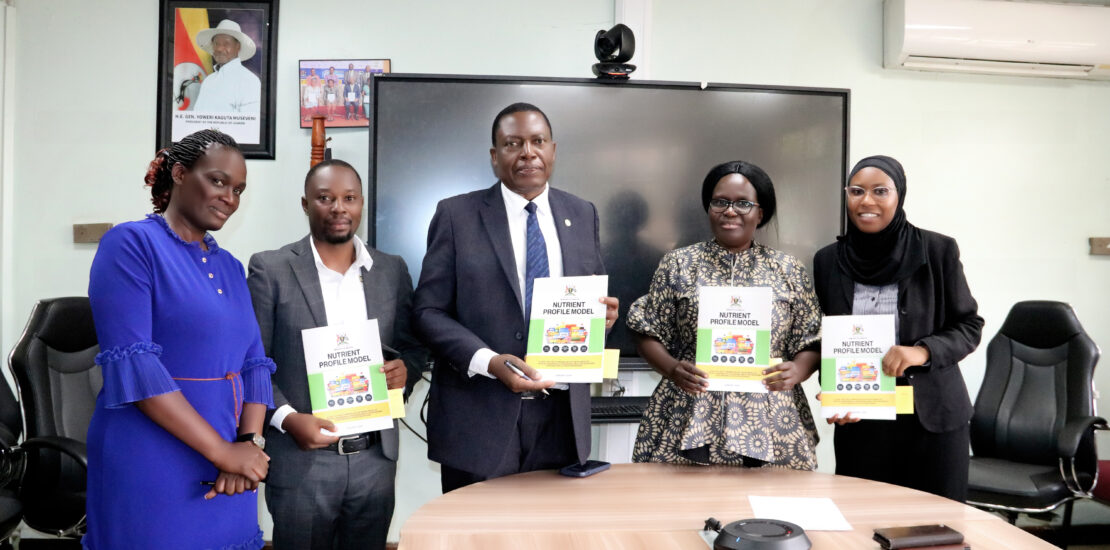
Something significantly historical happened in Uganda on 9th February, 2026, the Ministry of Health (MoH) in Uganda officially signed the National Nutrient Profile Model (NPM), marking a significant step forward in the country’s efforts to improve nutrition governance, regulation, and promote healthier food environments. The signing reflects high-level government commitment to advancing evidence-based nutrition policy to curb diet related Non-communicable diseases. This is not bureaucratic paperwork. It is one of the most practical, evidence-based steps Uganda has ever taken to fight the NCD epidemic that is already killing thousands of people every year.
This milestone was achieved through sustained collaboration between the Ministry of Health, technical partners, and civil society organizations, including CEFROHT, which contributed to evidence generation on the prevalence of processed and ultra-processed foods on the Ugandan market, a sustained advocacy campaign, technical input, and stakeholder engagement throughout the development process.
Uganda continues to face a growing burden of non-communicable diseases (NCDs), including cardiovascular diseases, diabetes, cancers, overweight, and chronic respiratory conditions. These conditions are now a major cause of illness and premature death in the country, driven in part by unhealthy diets and increasing exposure to foods high in salt, sugar, and unhealthy fats. Many Ugandans are dying earlier than expected from largely preventable conditions, placing pressure on households, the health system, and the economy. This trend underscores the urgency of implementing effective policy measures that shift food environments toward healthier choices.
The NPM provides a standardized framework for classifying foods and beverages based on their nutritional composition. It sets clear thresholds for key nutrients of concern, salt, sugar, and fat, allowing for a consistent and objective way to distinguish between healthier and less healthy products. This makes the NPM a critical tool for informing regulatory and policy measures aimed at reducing the consumption of foods high in these nutrients, while encouraging healthier options.
The NPM marks the beginning of a new chapter, not the end of the story. It now serves as a reference point for regulatory reform, a guide for decision-makers, and a framework for building food environments where the healthier choice is also the easier choice. The NPM will serve as a reference point for a range of interventions, including front-of-pack warning labelling regulations, restrictions on the marketing of unhealthy foods, Sugar-Sweetened Beverage Taxand public food procurement standards, among others.
The signing by the Ministry of Health signals strong national ownership and alignment with global and regional best practices, including guidance from the World Health Organization (WHO) on improving food environments and promoting healthy diets. It also provides a technical foundation for coordinated action across government agencies, regulators, and other stakeholders involved in food systems and public health.
For millions of Ugandans navigating a food landscape that too often works against their health, this matters. A clear, evidence-based tool is now in place, and CEFROHT is committed to making it count.