
Africa is building a United Front for healthier diets and NCD reduction. CEFROHT is helping to lead it
- May 2, 2026
- Posted by: Cefroht Manager
- Category: Agroecology
Diet-related NCDs are rising across Africa. The food environments that drive them, flooded with ultra-processed, aggressively marketed, nutritionally poor products, do not respect national borders. Neither should the advocacy response.
The fight for healthier food environments is not one any single country can win alone. Across Africa, civil society organizations are confronting the same forces: aggressive marketing of unhealthy foods, weak or no regulatory frameworks, and food systems that consistently fail the most vulnerable.
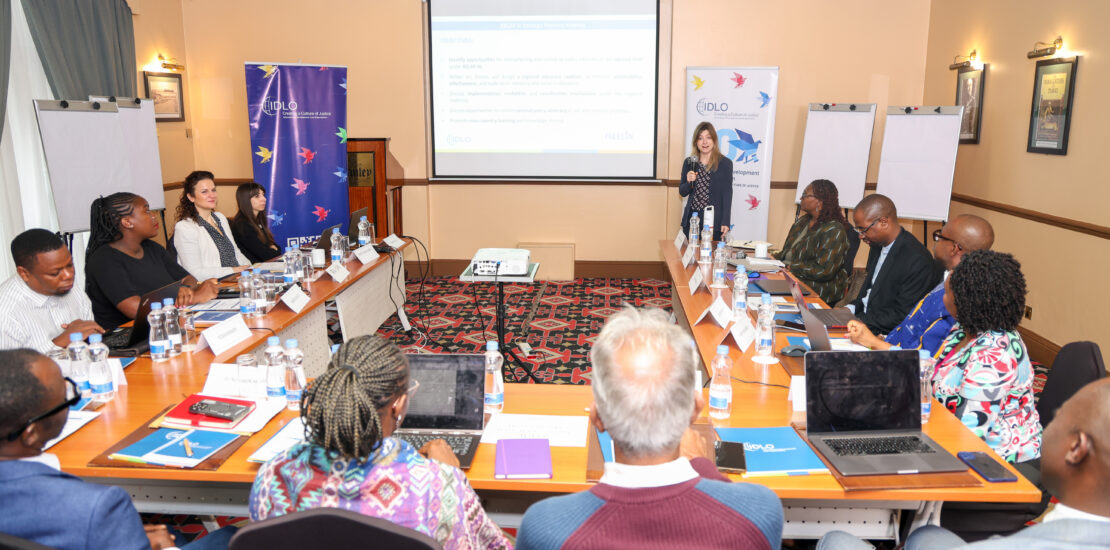
In February 2026, CEFROHT joined civil society organisations from Ghana, Kenya, Mauritius, Tanzania, and Uganda at the Regional Strategic Planning Meeting for Africa, convened by the International Development Law Organization (IDLO) under the Global Regulatory & Fiscal Capacity Building Programme, known as Global RECAP. The agenda was ambitious: deliberate on the next phase of the programme and design a more coordinated, more powerful approach to advocacy and social mobilisation across the continent.
Global RECAP, a long-term initiative implemented in collaboration with the World Health Organization (WHO), is designed to support countries in creating enabling policy environments that promote healthier diets and active living. It is, at its core, a programme about building the legal and regulatory muscle that governments and civil society need to push back against the forces driving diet-related non-communicable diseases (NCDs).
As the programme transitions into its next phase, its ambition is expanding. The emphasis is shifting toward strengthening both national-level advocacy and regional coordination to enhance sustainability, coherence, and impact.
The session provided a platform for participants to reflect on lessons learned from the initial phases of implementation and to jointly define practical modalities for the future. Discussions focused on how national advocacy efforts can be better supported through regional collaboration, including shared learning, joint messaging, coordinated campaigns, and stronger policy engagement at both national and regional levels.
A key outcome of the meeting was the co-design of a framework for a regional coalition aimed at advancing advocacy for healthy diets and healthier food environments, particularly in the context of diet-related non-communicable disease (NCD) prevention. Participants worked toward outlining the coalition’s structure, areas of focus, and operational modalities, with attention to how regional efforts can complement and reinforce country-specific work plans.
Uganda’s voice at the table: CEFROHT’s contributions
CEFROHT contributed to discussions by sharing insights from Uganda’s experience in policy advocacy, particularly in areas related to front-of-pack nutrition labelling, Uganda’s Nutrient Profile Model, Marketing of unhealthy foods to children, Taxation of sugar-sweetened beverages, and broader regulatory approaches reshaping food environments in Uganda. The engagement also provided an opportunity to align Uganda’s ongoing advocacy efforts with regional priorities, while identifying opportunities for collaboration with peer organizations across Africa.
CEFROHT’s participation in the Global RECAP strategic planning meeting is a step toward a more connected, more powerful civil society movement for food justice on the continent. The network is being built. The framework is taking shape. And Uganda, through CEFROHT, is helping to define what it stands for.